Now taking overseas RFQs — small & medium molds only.
HomeEquipment & Process

Equipment & Process

An honest look at how the workshop is set up — where each step happens, what we run in-house, and what runs through long-term partners under our own tooling control.

Mold Design

In-House Design in UG / CAD

Every mold begins with in-house design work in Siemens NX / UG (with 2D drawings in AutoCAD). Part designer and mold engineer sit in the same office, which is how DFM discussions happen inside a day, not a week.

  • DFM review before quote confirmation
  • Parting line, gate location and gate type (side / submarine / pin-point)
  • Ejection plan — pin, blade, sleeve, lifter
  • Cooling plan — line diameter, baffles, spiral cooling where needed
  • Slider and lifter design, angle and travel
  • Buyer sign-off on 3D mold layout before machining starts
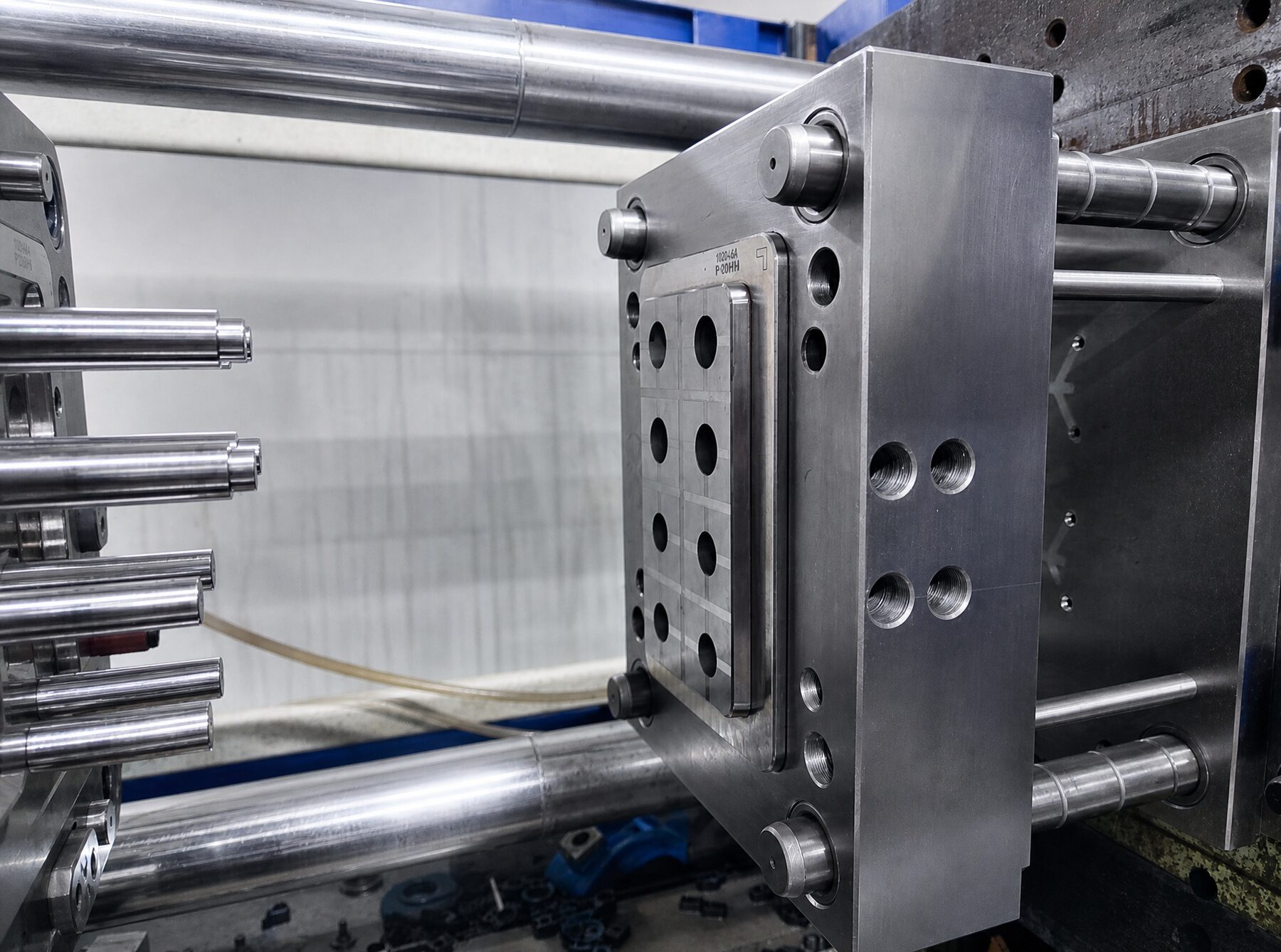
Detailed view of open mold cavity
CNC Machining

Supported by Long-Term Partners

CNC machining is supported by long-term machining partners under our process and quality control. These are shops we have worked with for years — not a random subcontractor for each job.

  • CAM programming reviewed by our tooling engineers
  • Tool paths agreed for critical surfaces before cutting
  • Every returned part inspected against the drawing before fitting
  • Traceable material and heat treatment records
Why we say this: the honest label matters more than a marketing claim. You get the same result as an in-house CNC step — the same tooling engineer runs it — but we are not going to pretend a shop is bigger than it is.
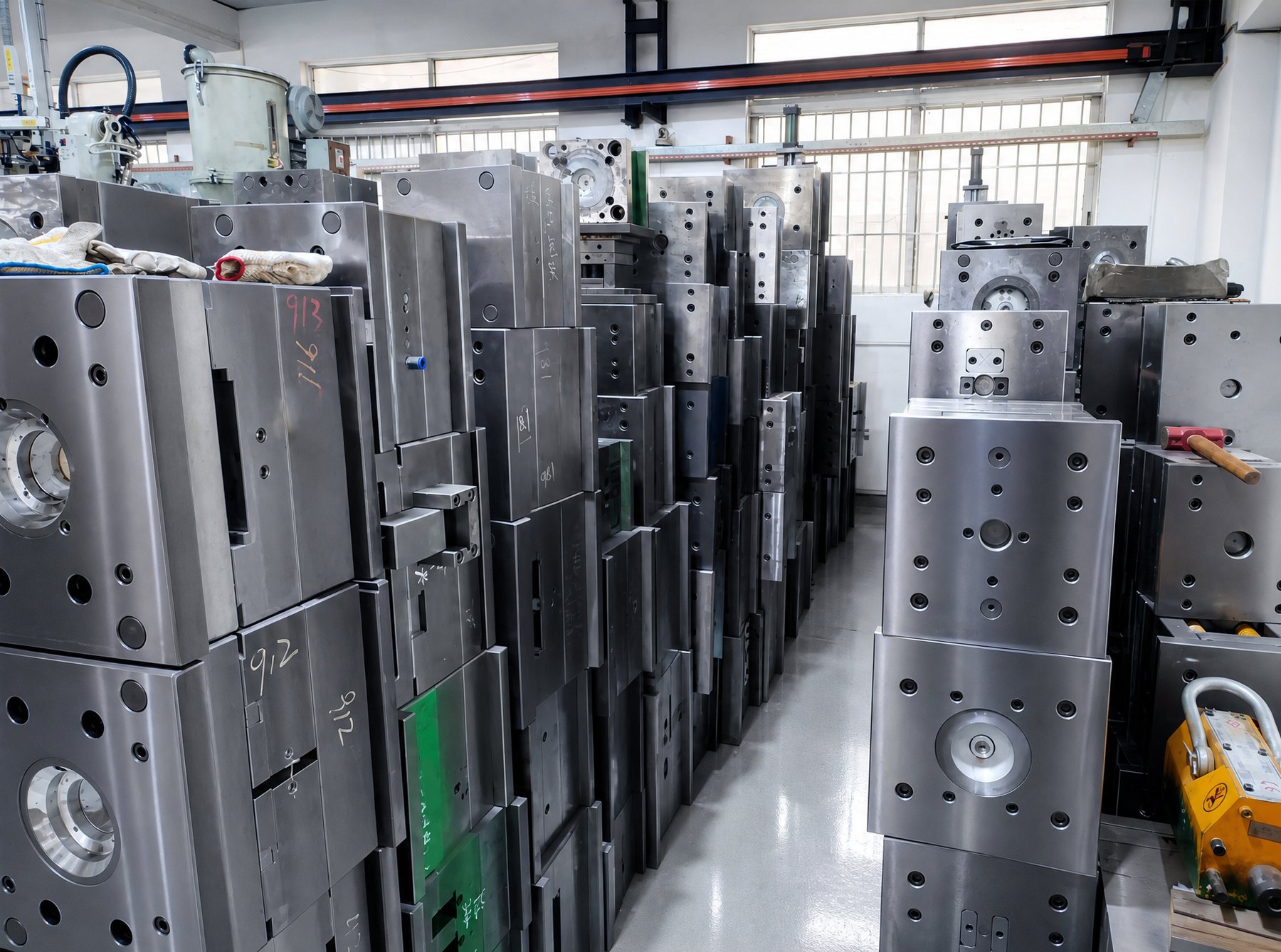
Finished mold bases stacked in storage after machining
EDM, Fitting & Assembly

In-House Where Skill Matters Most

The steps that most affect mold life and part quality are all in-house. This is where 25 years of workshop experience actually shows.

  • Sinker EDM — ribs, sharp corners, logos, text
  • Wire EDM — ejector holes, precision slots, inserts
  • Fitting — parting line, shut-offs, slider faces by hand
  • Assembly — mold base + core + cavity + slider + lifter + ejector + cooling
  • Polishing — from SPI-A3 to optical polish for PC / PMMA lenses
  • Correction after T1 — welding, re-cutting, insert changes as needed
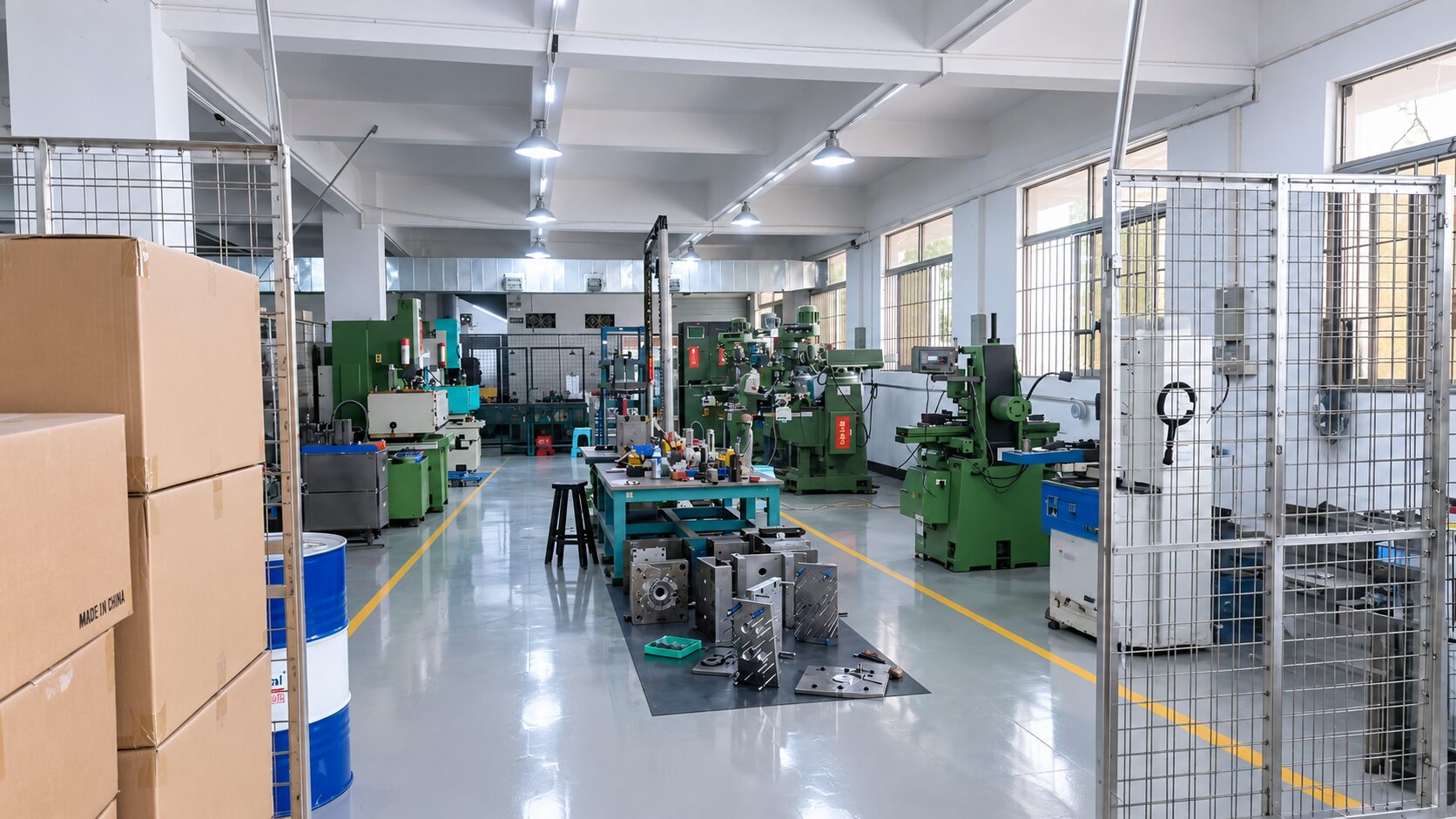
EDM and fitting bay in the workshop
Trial Molding

90T – 200T Machines, In-House

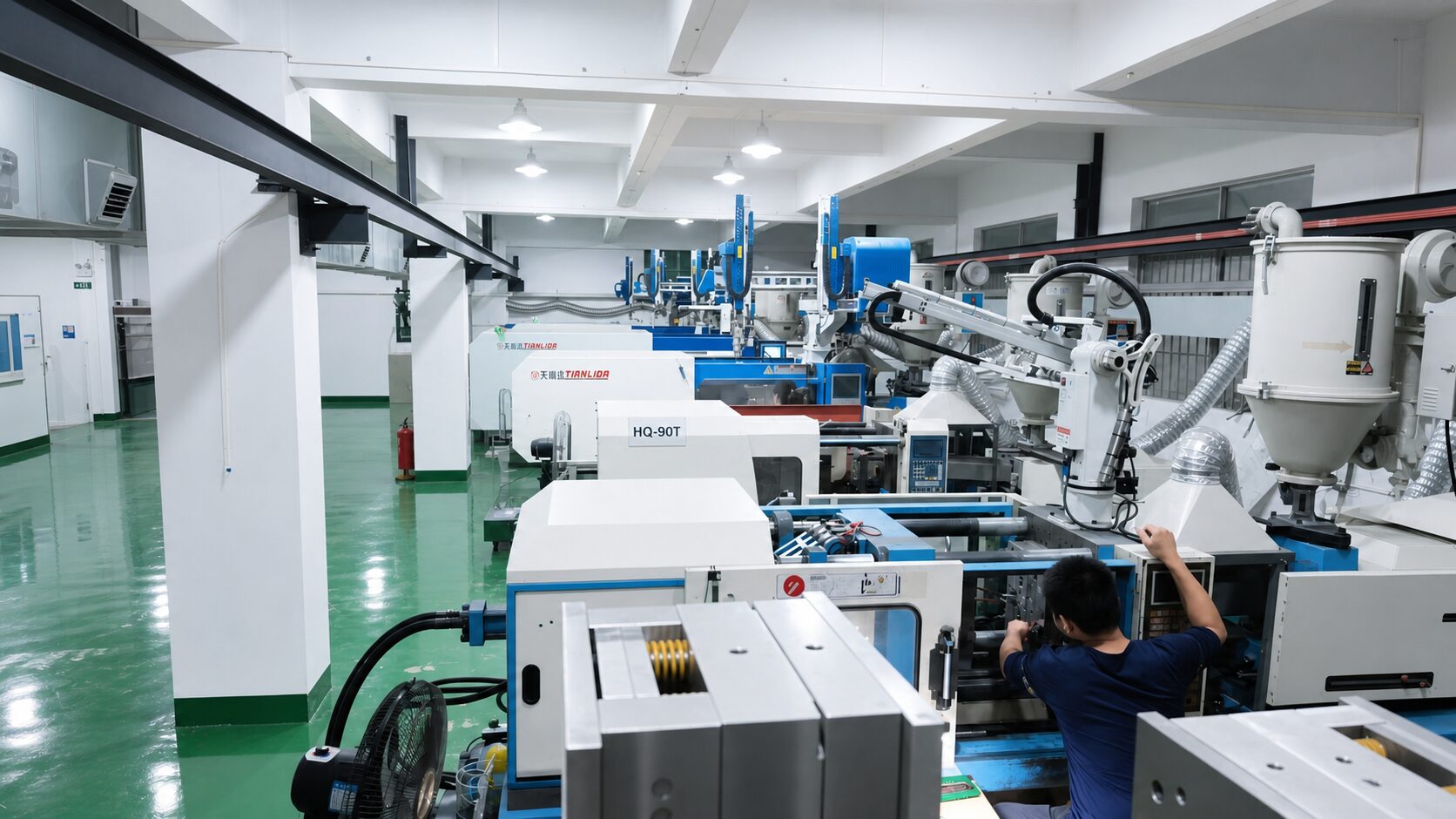
Every mold is tried in-house before it ships. Our injection molding line covers 90-ton to 200-ton machines, matched to the mold size we build. Robots handle unloading on the machines where they are useful.

  • T1 first-shot trial with process record
  • Trial video showing mold opening, ejection, part release
  • Sample parts labeled and packed with the tool
  • T2 / T3 trials after corrections when needed
  • Buyer sign-off on samples before shipment
Line of injection molding machines with robots
Inspection

Documented, Not Assumed

Inspection happens at three points: on machined parts before fitting, on the assembled mold before T1, and on trial parts before shipment. The paperwork ships with the tool.

  • CMM inspection of critical part dimensions
  • Cavity and core dimensional check against 3D reference
  • Appearance check on trial parts (weld lines, sink, flow marks)
  • Assembly check — every action cycled by hand and under power
  • Final inspection before packing
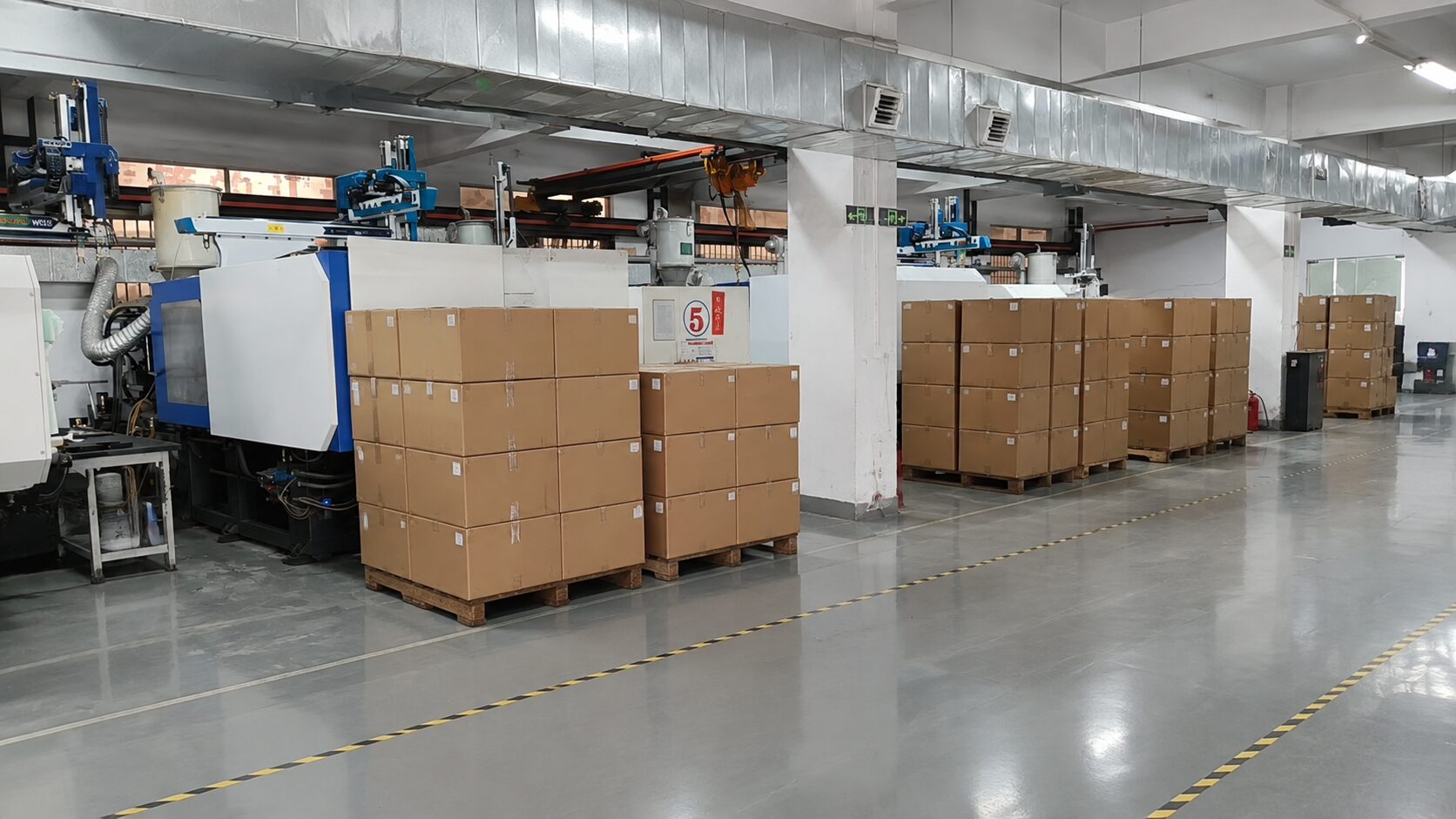
Finished molds packed and waiting for shipment
Equipment Summary

What Runs In-House, What Runs Through Partners

StepWhere it runs
Mold design (UG / NX + AutoCAD)In-house
Steel selection & procurementIn-house, long-term suppliers
CNC rough & finish machiningLong-term partner shops, under our control
Sinker EDMIn-house
Wire EDMIn-house
FittingIn-house
Polishing (up to optical polish)In-house
AssemblyIn-house
Trial molding (90T – 200T)In-house
Inspection & CMMIn-house
Wooden case packingIn-house
Shipping & customs paperworkIn-house sales + long-term forwarder

Want to see the workshop?

We can arrange a video walk-through of the workshop and equipment before you commit to a first project.

Request a Quote